When choosing a wheelchair, the decision often comes down to selecting between a manual or power model. Each type has its distinct advantages, suited to different needs and lifestyles. This article outlines the differences between manual and power wheelchairs, helping you to make an informed choice.
Manual Wheelchairs – Flexibility and Independence
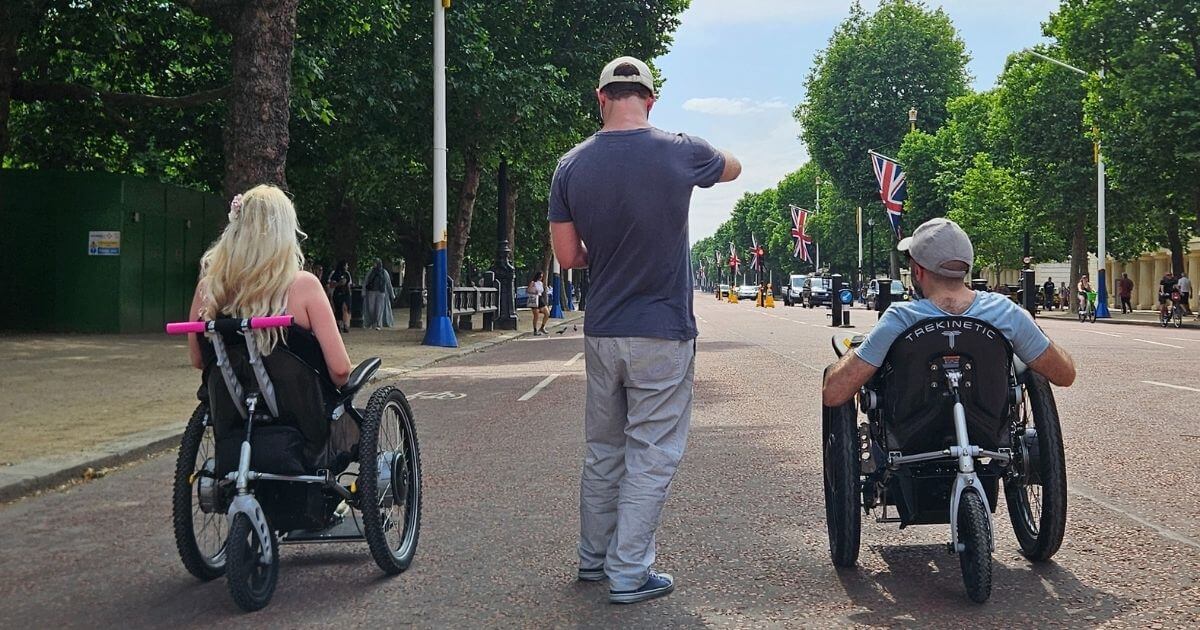
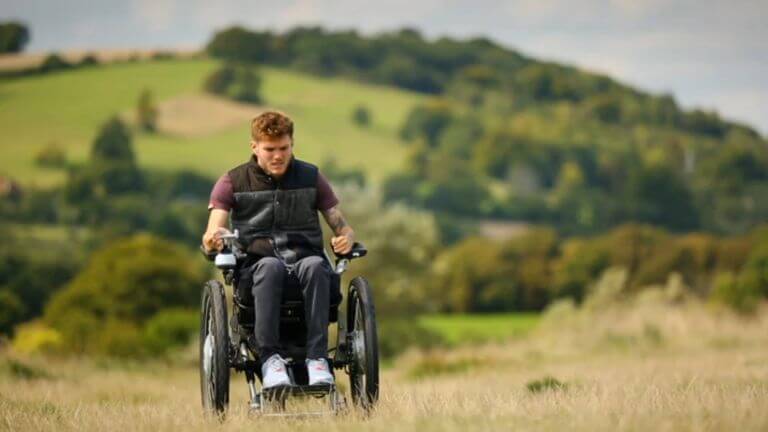
Manual wheelchairs rely on the user or an attendant to propel them. They are often favoured for their lightweight design, ease of use, and simplicity. A prime example is the Trekinetic K2 MK3, a lightweight manual wheelchair that stands out due to its unique three-wheel design. This structure distributes the user’s weight evenly, providing excellent stability and traction across various terrains, from city pavements to rough outdoor paths.
Manual wheelchairs like the Trekinetic K2 are ideal for users who require a chair that is easy to transport and manoeuvre. The chair’s front-wheel drive system ensures better propulsion and requires less effort to move, reducing strain on the user. Additionally, the adjustable wheelbase and shock absorber provide comfort and versatility, making it suitable for both indoor and outdoor use.
Advantages of Manual Wheelchairs
- Portability: Most manual wheelchairs are foldable, making them easy to store and transport. They are particularly useful for users who travel frequently or have limited storage space.
- Cost-Effective: Manual wheelchairs are generally less expensive than power wheelchairs, with models like the Trekinetic K2 MK3 offering advanced features at a reasonable price point.
- Exercise: Propelling a manual wheelchair can provide physical exercise, which can be beneficial for some users, depending on their strength and stamina.
- Independence: Users have full control over their movement, allowing for a greater sense of independence.
Power Wheelchairs – Comfort and Convenience
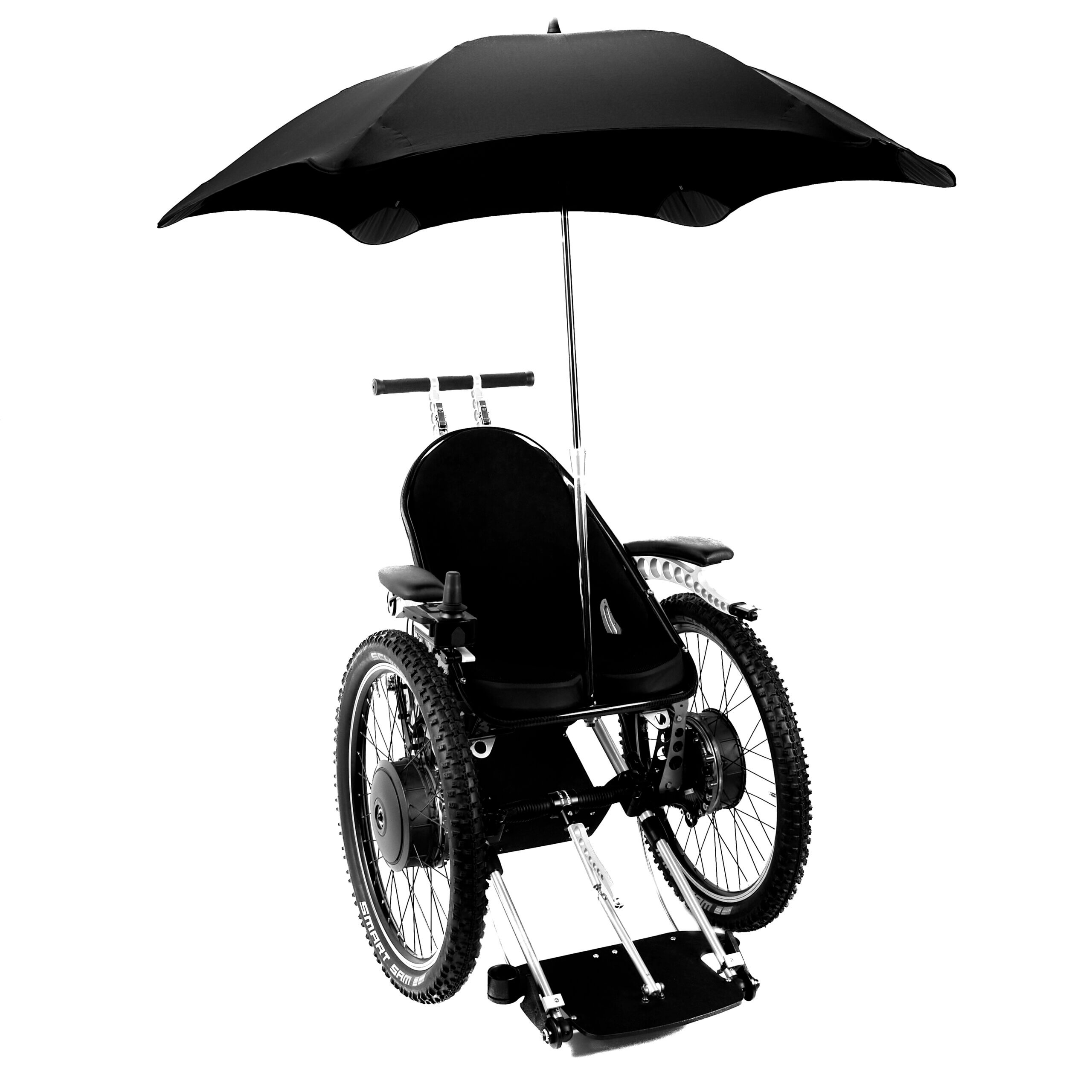
Power wheelchairs are motorised and controlled using a joystick, requiring minimal physical effort. They are designed for users who may lack the strength to propel a manual wheelchair over long distances or on challenging terrains. The Trekinetic GTE Mk3, for example, is an ultra-lightweight powerchair that offers advanced features, including a Li-ion battery with a range of up to 30km and a remote tilt mechanism for added comfort.
The Trekinetic GTE Mk3’s puncture-resistant tyres and locking camber system make it a reliable choice for those who need a durable and easy-to-operate chair. It is particularly suited to users who require assistance in more demanding environments or those who use their wheelchair for extended periods.
Advantages of Power Wheelchairs
- Ease of Use: Power wheelchairs require minimal effort to operate, making them ideal for users with limited upper body strength or stamina.
- Advanced Features: Models like the Trekinetic GTE Mk3 come equipped with features that enhance user comfort and safety, such as the magnetic footplate and improved connectors.
- Increased Mobility: The ability to cover greater distances without physical exertion allows users to maintain an active lifestyle without the risk of fatigue.
- Customisation: Power wheelchairs often come with various adjustable components, allowing users to personalise their chair to suit their specific needs.
Choosing the Right Wheelchair
Selecting between a manual and power wheelchair depends largely on the user’s physical capabilities, lifestyle, and budget. Manual wheelchairs like the Trekinetic K2 MK3 are ideal for users who want a lightweight, portable option that provides exercise and independence. In contrast, power wheelchairs like the Trekinetic GTE Mk3 offer more convenience, with advanced features suited to those who require assistance or have specific mobility needs.
For those concerned about costs, there are funding options available. Personal Wheelchair Budgets can help users access a wider range of wheelchairs through NHS services or private purchases. Additionally, grants such as the Access to Work Grant can cover the cost of specialist equipment needed for employment. Charities like Whizz-Kidz and Children Today also provide financial support, making it easier to afford high-quality wheelchairs.
Finally
The decision between a manual and power wheelchair should be based on individual needs, lifestyle, and available resources. Manual wheelchairs offer flexibility and cost-effectiveness, while power wheelchairs provide comfort and ease of use. With options like the Trekinetic K2 MK3 and GTE Mk3, users can find a wheelchair that best suits their mobility requirements, ensuring they maintain their independence and quality of life.