The benefits of wheelchairs
If you have limited mobility, a wheelchair can vastly improve your quality of life by allowing you to continue to be active and do the things you enjoy. Choosing the right wheelchair can enable you to socialise and go out with friends and family but also improve your independence and open up other possibilities.
First things to consider
If you think you could benefit from a wheelchair all or most of the time, speak to you local GP, physiotherapist or occupational therapist who will be able to discuss options with you. They’ll typically be able to advise if you need a wheelchair and if so, which type but you can also contact your local mobility dealer and manufacturers offer assessments as standard, either through dealers or directly.
There are a number of factors to consider including your body type, skin condition, posture and strength. If you have a health condition that is likely to progress with time, it’s a good idea to take account of your possible future needs when choosing a wheelchair too.
Types of wheelchairs available
Wheelchairs can be divided into two main categories: manual wheelchairs (propelled by the user’s own strength); and powered or electric wheelchairs.
Wheelchairs of either type tend to be smaller than mobility scooters, and are often more manoeuvrable, so may allow better access into shops, buildings and other outdoor locations.
Manual wheelchairs
These are usually most suitable for people who:
- Require a wheelchair all or most of the time (indoors and/or outdoors) for mobility
- Can walk – perhaps with a walking stick or frame – but are unable to cope with longer distances, so use a manual wheelchair when out and about.
You’ll need sufficient strength and movement in your arms to use a self-propelled wheelchair. If you aren’t able to manage this, you would be more suited to an attendant-propelled wheelchair, designed to be pushed from behind by another person or a powered wheelchair. It’s worth noting that most self-propelled manual wheelchairs will also have push-handles for times when extra help may be needed.
Self-propelled wheelchairs have larger wheels than transit wheelchairs, each with an outer ‘pushrim’ that you turn to control and propel the chair. These wheels make for a bulkier chair, which may be trickier to pack into the boot of a car. For this reason, if you’re choosing a self-propelled chair, look for one with quick-release wheels and check wheelchair width if you’re going to be using it indoors.
Attendant-propelled or transit wheelchairs often have smaller back wheels, so can be lighter and easier to transport, but this can make them difficult to move on anything but smooth flat surfaces. They can also prove more challenging than larger-wheeled chairs to mount obstacles such as kerbs.
Electric or powered wheelchairs
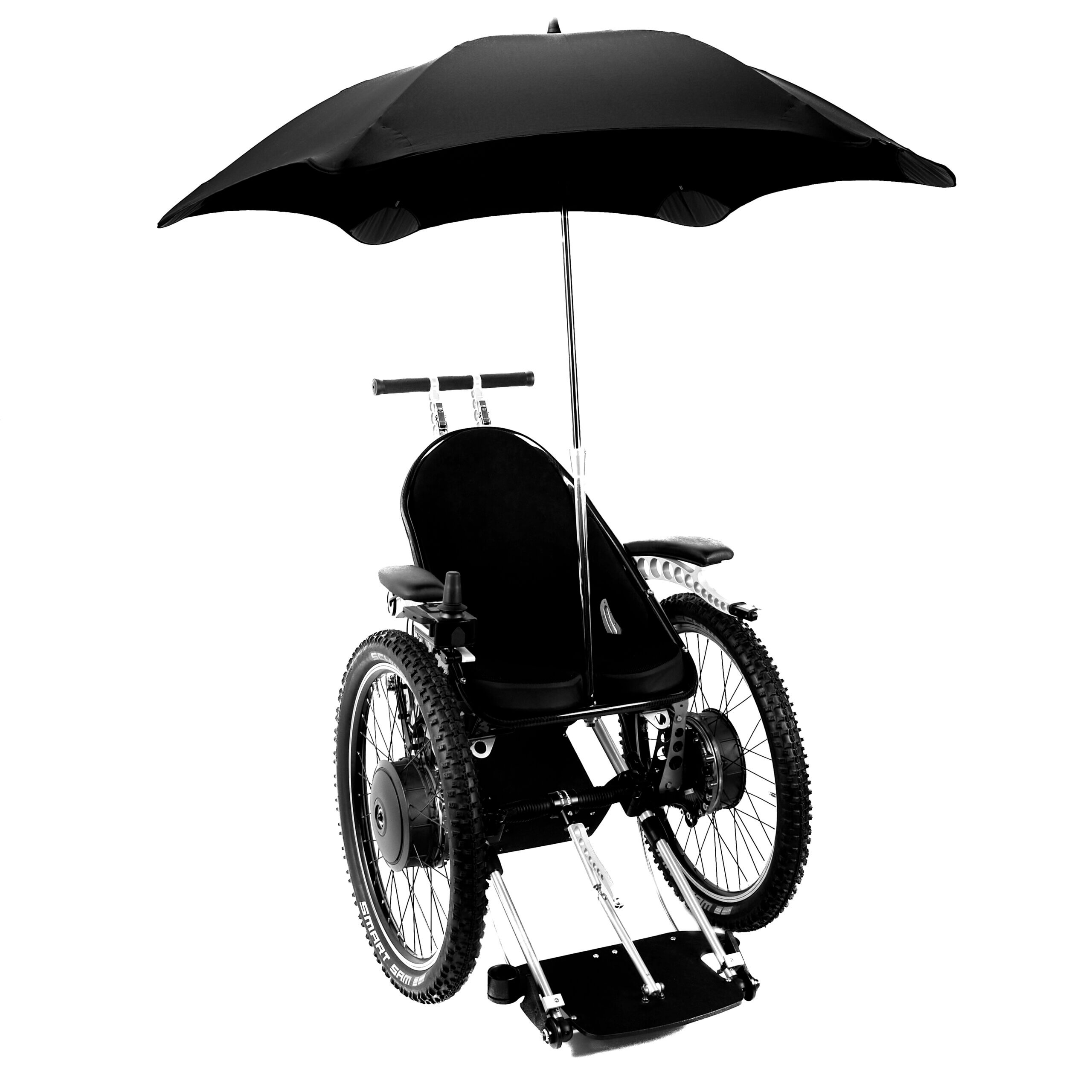
Sometimes called power, electric-assisted or motorised wheelchairs, this type would be ideal if you don’t have the strength or stamina to use a self-propelled wheelchair, but don’t want to rely on being pushed – or if you sometimes want to take longer journeys in your wheelchair.
There are a wide variety of models available, best divided into three categories:
- Indoor/portable: for use at home or in places with smooth, even flooring such as shopping centres or garden centres. Usually easy to fold for fitting in the boot of a car.
- Outdoor: will have larger wheels for dealing with uneven terrain, as well as suspension to make the drive more comfortable. Can usually be used indoors, too, but their larger size may mean they won’t fit through some doorways.
- Indoor/outdoor: designed to offer the best of both worlds. Typically not as light as some models, but may provide a good balance of features for those that like to spend time outdoors.
Powered wheelchairs are either Class 2, meaning they can be used outside on pavements, or Class 3, for use on roads and pavements.
All are generally a lot heavier than manual wheelchairs because their frame has to be stronger in order to support the battery and motors. Bear this in mind when thinking about the ease of transporting a wheelchair and look for lightweight power chairs if you plan to travel.
Wheelchair features and accessories
Most wheelchairs can often be customised to suit the user. Wheelchair manufacturers tend to be more flexible than mobility scooter makers when it comes to customising their products. So there are several things you can often add, adjust or adapt to suit you.
- Seats: often available in different lengths and widths, or a firmer seat can be custom built. Support or cushioning can be added to give more postural support.
- Footplates and armrests: most wheelchairs have adjustable footplates and armrests to help you find a comfortable seating position.
- Backrest: the height is usually fixed.
- Headrest: can be bought as an optional extra.
- Storage bags: there are a few different styles of these available for use with wheelchairs, although they’re generally not suitable for carrying large amounts of shopping.
- Wheelchair cushions: these can provide support and relieve pressure for a more comfortable ride.
- Protection against the elements: a range of wheelchair-specific items are available, such as waterproofs in various styles and leg warmers that cover the lower half of the body like a half-length sleeping bag. The Disabled Living Foundation (DLF) has information about special clothing for wheelchair users.
What to look for in an electric wheelchair
There are some key factors to be aware of before choosing an electric wheelchair.
Drive controls
The most common type of ‘drive control’ on an electric wheelchair is a joystick mounted on one of the armrests. In theory, these are very simple, although they can sometimes prove difficult to learn. Be sure to test out the controller system when reviewing a wheelchair to ensure it is fit for purpose.
You may initially find the controls to be over- or under-sensitive, but it should be possible to have them adjusted to suit you. Some companies offer other types, such as handlebar-style drive controls (similar to a scooter’s, but smaller), which can be retro-fitted to existing chairs.
Batteries
Powered wheelchairs need to be charged regularly. Most wheelchair batteries can take up to 10 hours to charge and doing so overnight will mean the wheelchair is ready for use during the day. Some companies may offer fast charge batteries or spare batteries that can be mounted to the chair which may be more suitable for more active lifestyles.
Storage
Some of the larger outdoor-type wheelchairs may need to be stored outside the home – in a garage, for example. The wheelchair should be stored in a cool, dry and well-ventilated area while it’s charging. Check that you will have a suitable place to do this before acquiring the wheelchair. Bear in mind that it could be a safety hazard to keep it in the bedroom during the night.
Folding wheelchairs
If you’re looking for a wheelchair that is easy to transport, a folding wheelchair could be a good option. Both electric and manual folding and lightweight options are available but it’s best to check on wheelchair weight, whether the wheels are removable and whether a wheelchair accessible vehicle (WAV) and/or hoist system will be required to get the wheelchair in and out of a vehicle.
How to get a wheelchair
There are three main ways to get a wheelchair:
- Through the NHS
- Independent fundraising
- Buy one yourself
Check out our FUNDING page for more information on how to fund your next wheelchair
If you’re choosing a wheelchair for a family member, be aware that some people are reticent about the idea of using one. If you sense your loved one feels this way, discuss it with them and explain how a wheelchair could improve their quality of life. It may also help if you can arrange for them to trial a chair before committing to buying one.
Home adaptations for wheelchair users
If you’re a new user, you may need to make some changes to your home to make it wheelchair accessible. An occupational therapist (OT) can advise you on what adaptations might be necessary.
Doors and door frames can be awkward for wheelchair users, especially if they have to be approached at an angle. A suitable width is usually 800mm, but the wider the door width, the easier the access will be and 900mm–1,000mm would be considered ideal. Talk to a carpenter to see what your options are.
Installing a ramp in your home
You may benefit from having a permanent ramp installed outside for access purposes, but this is not always practical, and will depend on the property and your needs. You could consider a portable ramp, which is made of lighter materials and usually less expensive than permanent options.
Find out more about the different types of ramps available, how to fit them and where to buy them in our article on ramps for the home.
When to consider installing a lift
If your home is on more than one floor, a lift installation may be an option. The space requirements for a lift are usually significant, taking up space on each floor, so, again, it would be worth consulting an OT to see if this is a viable option.
Downstairs bathroom
If you live in a house with two or more floors, having a properly equipped downstairs bathroom (unless a lift can be installed) that can accommodate a wheelchair will be very important.
Find more guidance about these adaptations in our article on bathroom adaptations.
Will a Trekinetic be right for me?
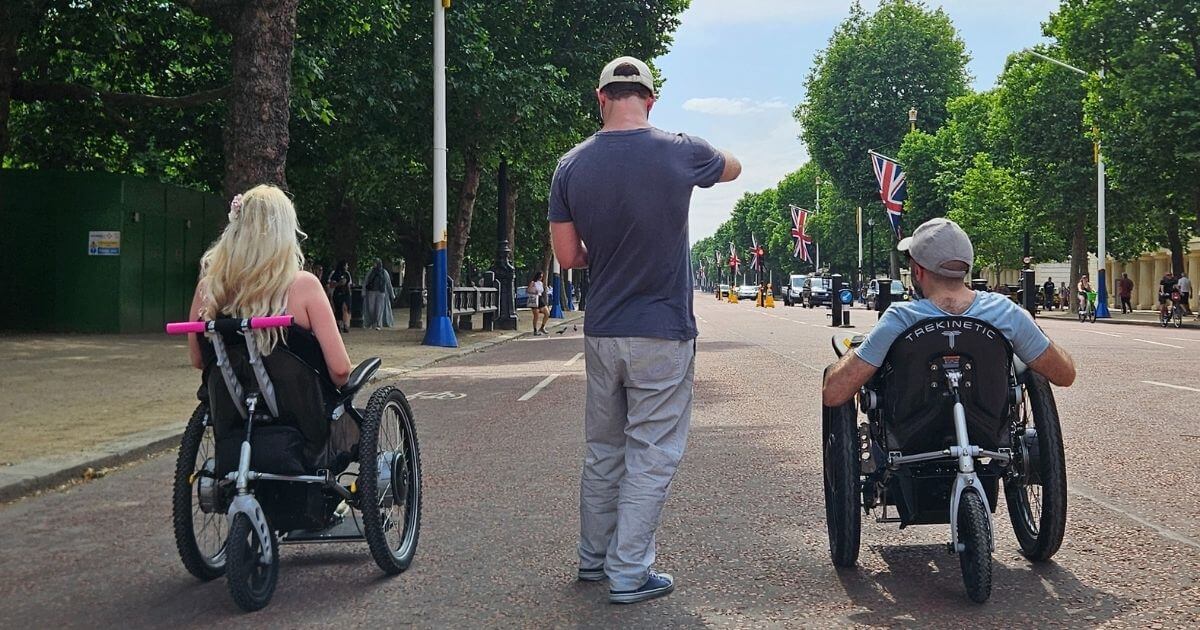
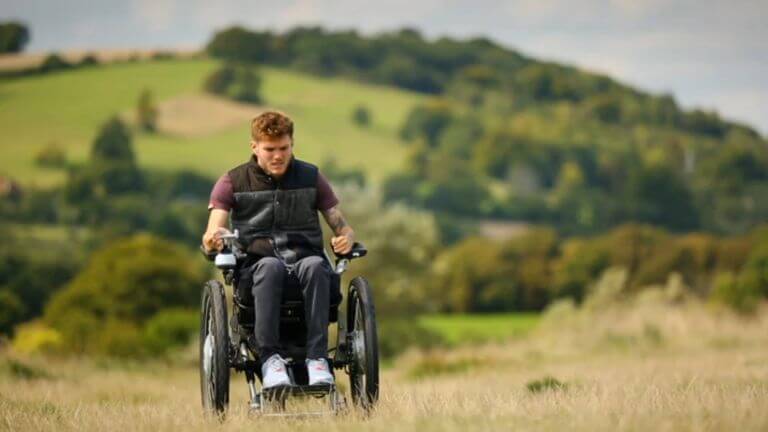
At Trekinetic we make lightweight, all-terrain wheelchairs for people that demand more from their wheelchair. Available as manual or powered, Trekinetic wheelchairs are designed to handle pretty much any terrain you can think of, including the city and the home. To find out more about our chairs please head to our HOME page to see which option will fit best with your lifestyle.